How to Write an Analytical Research Paper: A Detailed Guide
This consists of the exact segment every reader actually searches for. The outline below comprises a step-by-step process that takes a writing form “I possess zero idea where to start” into “this essay is prepared to submit.”
Step 1: Choose a Strong, Analyzable Topic
Not all topics suit critical analysis. “Climate shift” is far too broad and excessively informational by itself. “How coastal urban zoning laws have heightened flooding hazards over the past decade” is fully evaluative, as it invites exploring chain reactions, comparing policy framework options, and declaring a perspective.
A good topic generally possesses
● Enough published research to draw from
● Room for genuine disagreement or multiple interpretations
● A scope you can actually cover in the assigned word count
When no conflicting perspectives can come to mind concerning your subject, it remains mostly informational rather than analytical.
Step 2: Explore Broadly and Maintain Orderly Records
This step goes far beyond any alternative, and the results reveal that. Consult academic journals, standard textbooks, and trusted databases instead of the first three link suggestions a search engine displays. As you analyze study materials, refrain from simple underlining; compose one custom sentence clarifying how this work advances your specific central space.
A straightforward strategy that works well:
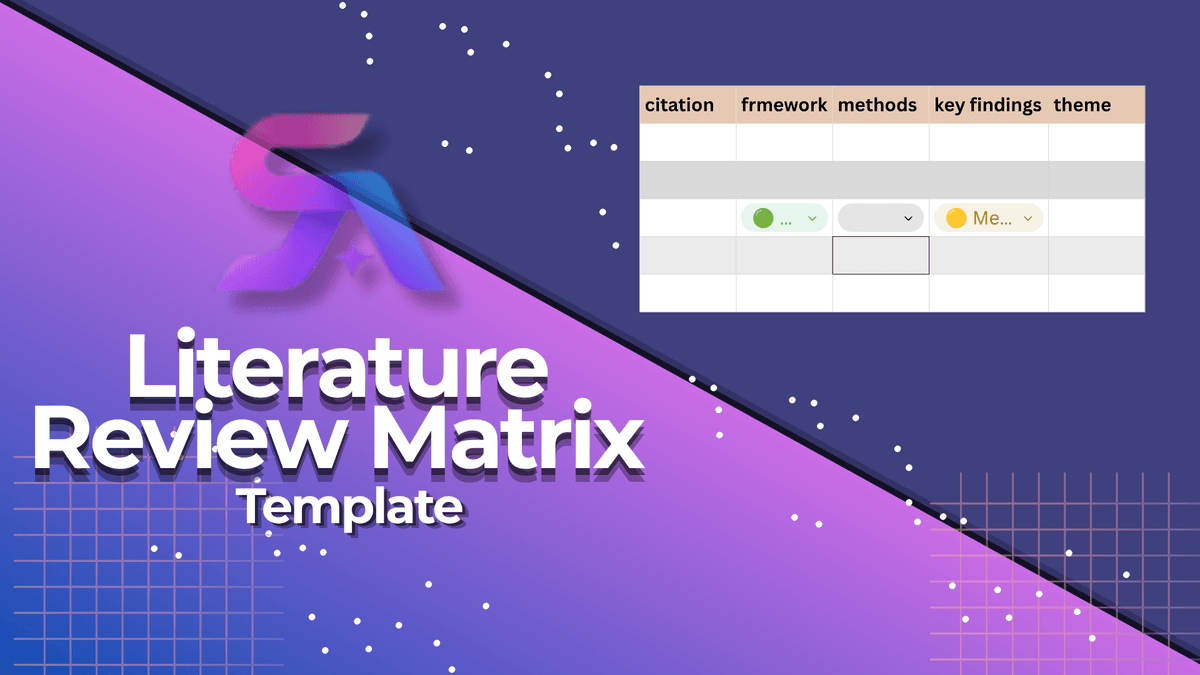
1. Draft a continuous record featuring an explicit heading per reference.
2. Below every title, note the central claim, supporting data behind it, and a quick explanation regarding its direct connection to your thesis.
3. Flag references displaying conflicting viewpoints; those friction points frequently generate the deepest analysis overall.
Step 3: Develop an Explicit Central Thesis
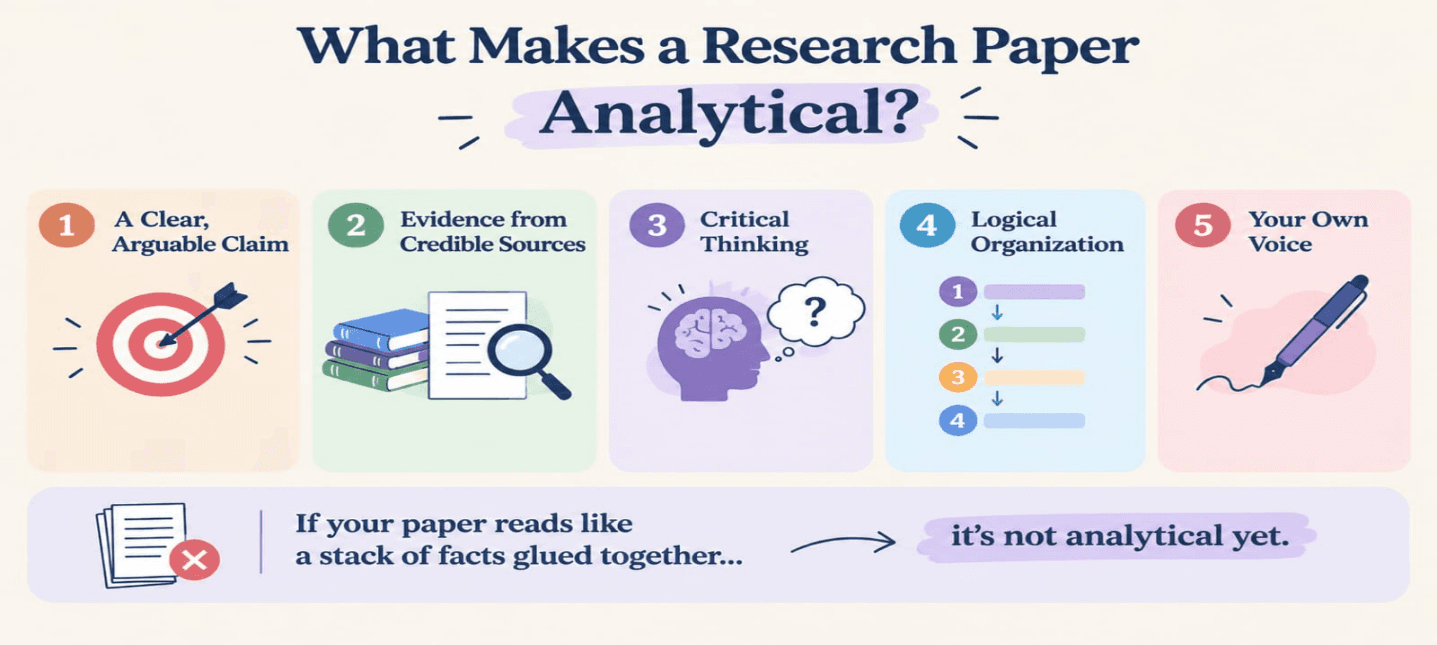
Your central argument serves as the structural spine for your work. It must convey your distinct perspective, not simply the topic. Compare these two:
Flawed: This essay intends to examine social media influencers upon adolescents.”
Effective: Large social media platform usage amongst youth relates directly to elevated anxiety, mainly due to peer comparison dynamics embedded within application architecture over screen exposure alone.
The second version tells the reader exactly what you're going to prove and gives a clue how you're going to prove it. Every paragraph that follows should trace back to this sentence
Step 4: Drafting a Detailed Outline
Before you write a single body paragraph, map out your argument. List your main points in the order they'll appear, and under each one, note which sources will support it.
How organizing allows you to process better: a plan pushes you to locate fragile arguments prior to writing weak text. If you can't fill in evidence under a bullet point, that's a sign the point needs more research — or needs to be cut entirely. Writers who skip this step often discover the gap halfway through a paragraph, which is a much more frustrating place to find it.
Step 5: Construct Concise and Analytical Core Paragraphs
Every content paragraph should achieve four aims, basically in this order:
1. Open with a topic sentence stating the paragraph's specific point
2. Introduce evidence—a statistic, a quote, a study finding
3. Explain what that evidence actually means and how it supports your thesis
4. Connect back to your broader argument before moving to the next point
The explanation phase is where typical essays fall short. Inserting quotes and moving onward isn’t analysis; it functions as decoration. Clear in two or three sentences why this data is important.
A literature evaluation isn’t a simple list saying “Source A asserted this, Source B stated that.” It represents synthesis, organizing citations around themes or perspectives while demonstrating how they connect. Observe where academics agree, where they conflict, and where scholars haven’t examined closely. That last gap is often exactly where you can add something new in your analysis.
Step 7: Create a Compelling Opening and Ending
Curiously, multiple researchers draft these two sections last, even though they feature first and last in the paper. Your opening paragraph should captivate the reader by showing why the subject matters, then channelling toward your thesis. The final statement should not simply rephrase your proposition; it must express broader implications of collected evidence and, where appropriate, highlight remaining open research questions.
Step 8: Edit, Reference, and Polish
Composition and revision serve separate purposes, so perform them individually. Read your writing out loud; awkward phrasing demonstrates itself quickly when vocalized. Confirm that every claim includes source credit, that your referencing style remains standardized throughout, and that your works list matches every embedded citation precisely. Afterward, edit a final time regarding grammar, because persuasive arguments forfeit trust rapidly when they are packed with mistakes.
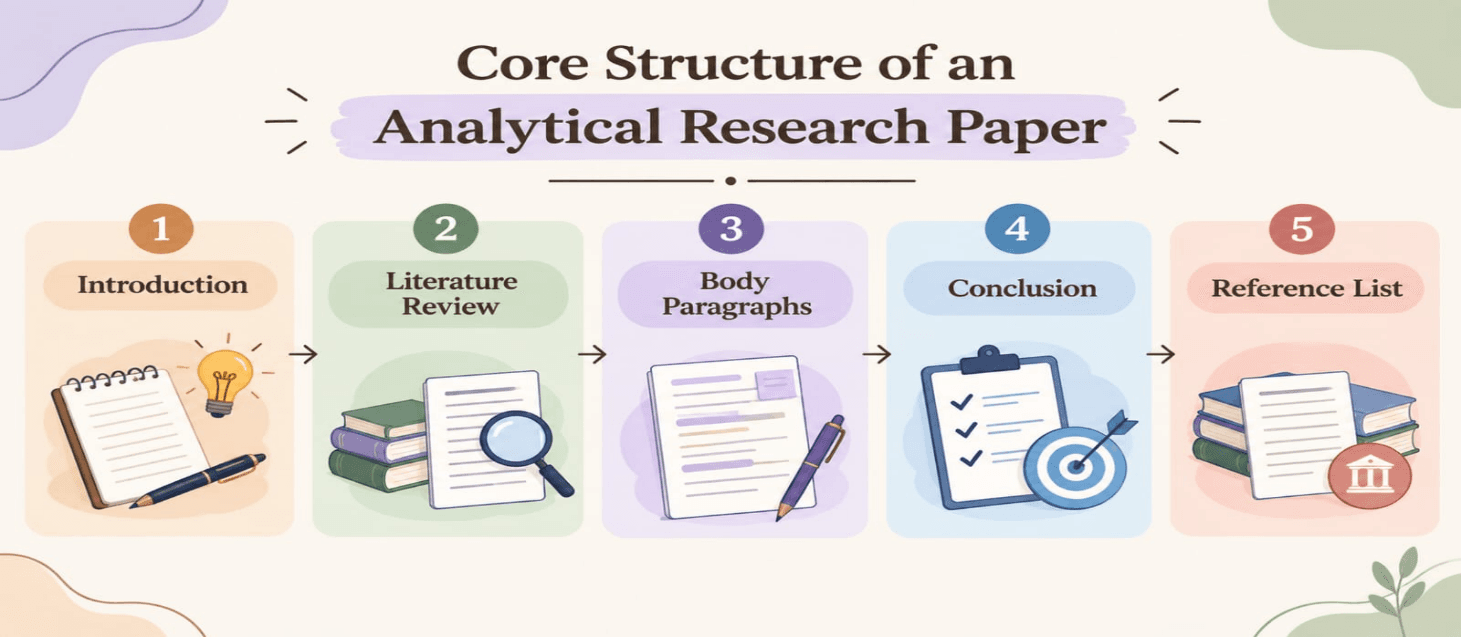
Formatting rules vary across academic fields, though most evaluation papers follow a shared structure:
Typography and margins: generally, 12-point typeface, double-spaced, with one-inch margins
Cover page: document title, name, course, instructor, and date.
Section headings: uniform adoption of APA, MLA, or Chicago, depending on what your instructor demands.
Document length: generally, 5–15 pages depending on the assignment, though shorter analytical essays can run 3–5 pages.
Inline citations: inserted right following the facts they back, not clustered together at a paragraph’s end.
A layout practice worth adopting early: confirm your citation framework before beginning drafting, not afterwards. Adjusting forty source citations the night before deadlines is a unique academic misery.
A Professionally Written Research Paper Example
Seeing a short analytical paragraph in action often clarifies the concept faster than any explanation. Here's a compact sample built around a manageable claim:
Remote work arrangements, while often framed as a flexibility benefit, have measurably altered team communication patterns in ways that reduce spontaneous problem-solving. A 2023 workplace study found that informal, unplanned conversations—the kind that happen at a shared coffee machine—dropped by nearly 60% among fully remote teams compared to in-office counterparts. These unplanned exchanges are not simply social filler; they're often where cross-departmental knowledge gets shared before it becomes an official meeting agenda item. When that channel disappears, information tends to travel more slowly and through more formal, siloed routes. The result is not necessarily lower productivity on individual tasks but a measurable increase in duplicated work and missed cross-team opportunities—a cost that rarely shows up on a spreadsheet but shows up clearly in project retrospectives.
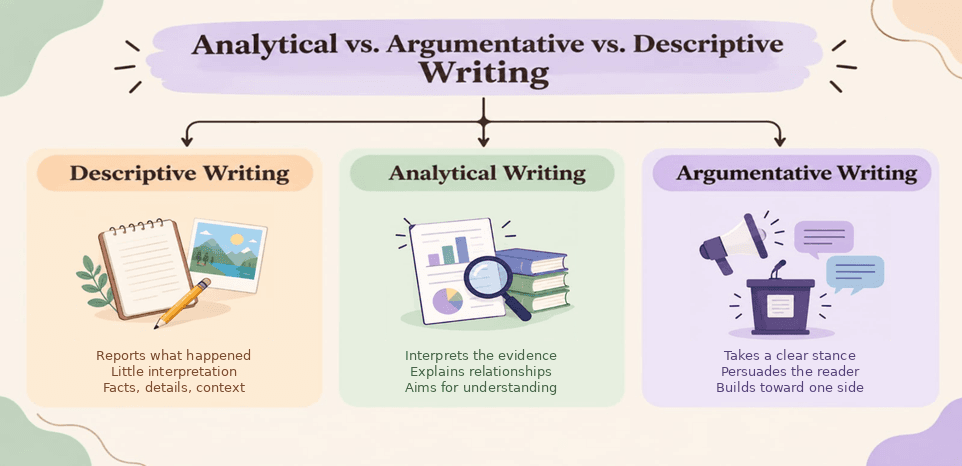
Notice what makes this analytical rather than descriptive: it doesn't just state a fact (communication dropped), it interprets the fact (this is why it matters) and connects it back to a broader claim.
Common Types of Analytical Papers Students Encounter
Analytical writing shows up under different names depending on the course, but the underlying skill is the same:
Analytical essays: shorter pieces focused on breaking down a single text, event, or concept.
Literary analysis papers: examining a novel, poem, or play for themes, symbolism, or structure.
Rhetorical analysis papers: dissecting how an author or speaker persuades their audience.
Comparative analysis papers: placing two subjects side by side to explore similarities and differences.
Data analysis reports: interpreting numerical findings rather than textual ones, common in social science and business courses.
Knowing which flavor you've been assigned helps you choose the right sources and structure from the start, instead of realizing halfway through that you built the wrong kind of argument.
Pro Tips from Academic Writers Who’ve Done It All
A few habits separate writers who consistently score well from those who scrape by:
Write your thesis on a sticky note and keep it visible while drafting—it's easy to drift off-topic across ten pages.
Read one strong published paper in your field before you start, purely to absorb its rhythm and structure.
Argue with yourself. Before finalizing a claim, write down the strongest counterargument and address it directly. This alone makes analysis feel less one-sided and far more credible.
Cut your favorite sentence. If a line exists purely because it sounds clever rather than because it advances the argument, it usually needs to go.
Leave 24 hours between finishing a draft and revising it. Fresh eyes catch what tired eyes miss
Basic Mistakes to Avoid in Analytical Papers
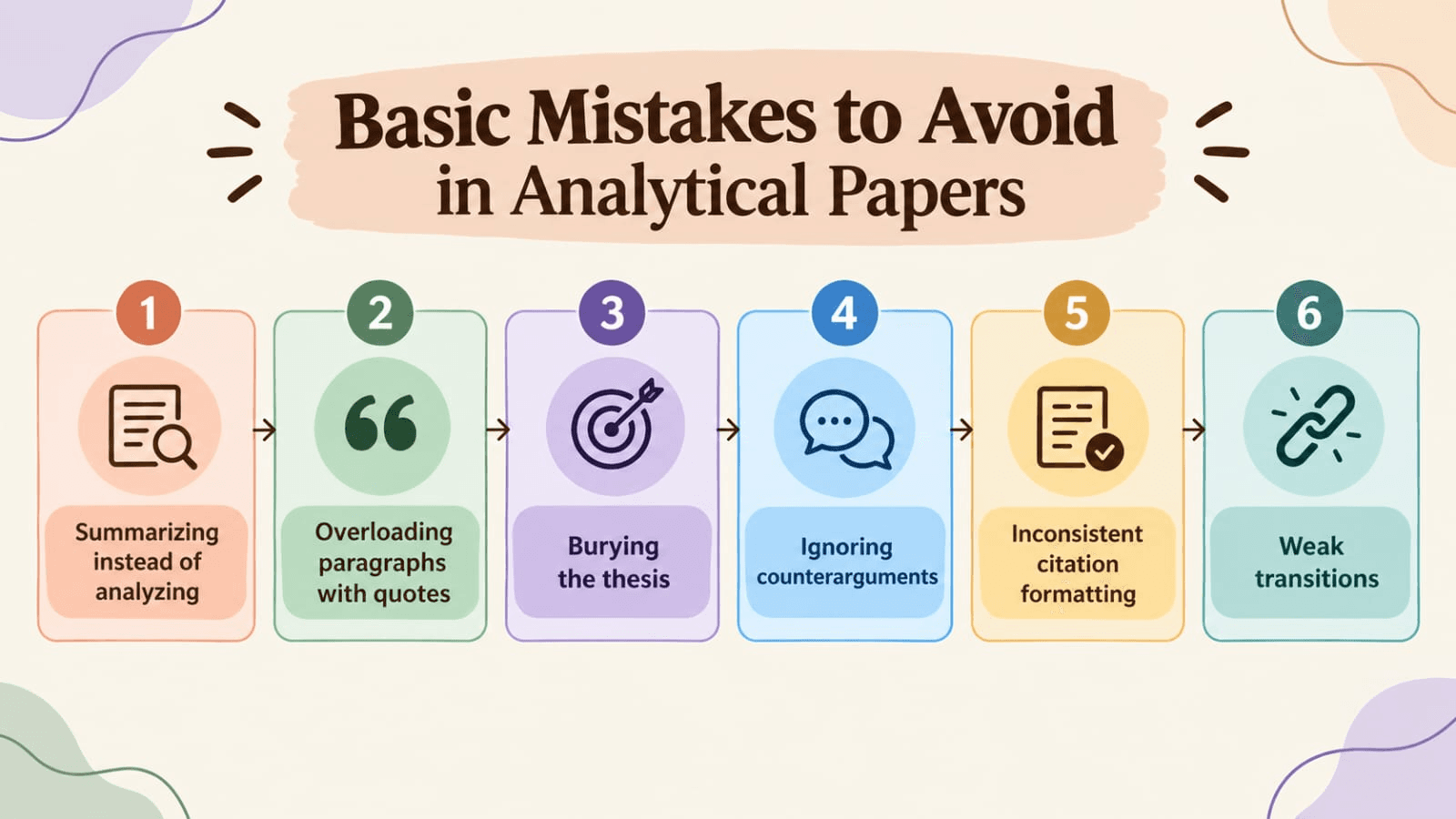
Even strong writers fall into these traps:
1. Summarizing instead of analyzing: describing what a source says without explaining its significance
2. Overloading paragraphs with quotes: evidence should support your voice, not replace it
3. Burying the thesis: if a reader can't find your claim by the end of the introduction, it's buried too deep
4. Ignoring counterarguments: pretending opposing views don't exist makes an argument look fragile, not strong
5. Inconsistent citation formatting: mixing MLA and APA styles within one paper is an easy, avoidable deduction
6. Weak transitions: jumping between points without connecting language makes the paper feel like a list rather than an argument